Arhat ceramic art with bird
Arhat Bird Riding is a ceramic artwork created by Master Liu Zizhen, the first generation of "clay figurine Liu" in the Tongguan Kiln in Changsha, China, in the 1980s. Liu Zizhen, known as the "clay figurine Liu", is a famous Chinese ceramic art master known for his exquisite skills and profound understanding of traditional ceramic art. His works not only embody the traditional craftsmanship of the Tongguan kiln, but also incorporate his personal artistic style and innovative spirit. With its vivid shape and fine workmanship, it shows the shape of Arhat holding a bird, implying the idea of harmony and natural coexistence. In Buddhism, Arhat is the symbol of a person who has achieved spiritual accomplishment, while birds often represent freedom and peace.

Tongguan Kiln Ceramic Research Institute Ceramic Panda
It is a ceramic artwork carefully crafted by the Tongguan Kiln Ceramic Research Institute. Tongguan Kiln, as one of the famous ceramic kiln series in China, has a long history and profound cultural heritage. The research institute relies on the traditional craftsmanship and innovative technology of Tongguan kiln to create ceramic works that are both traditional and modern. As a national treasure of China, pandas have a charming and lovable image, and are one of the important symbols of Chinese culture. Crafted with exquisite craftsmanship, every detail is meticulously crafted by the artist, showcasing the superb craftsmanship of Tongguan kiln ceramic art.

Vase during the Cultural Revolution
Vases from the Cultural Revolution period (1966-1976) usually refer to ceramic vases produced during the Chinese Cultural Revolution. The ceramic art works of this period have distinct characteristics of the times, often adorned with portraits of Mao Zedong, quotes from Chairman Mao, revolutionary slogans, or patterns related to socialist construction, reflecting the political atmosphere and social life of that era. In terms of artistic style, it is often relatively unified, with bright colors and direct and powerful patterns, reflecting the concise and vivid artistic expression advocated during the Cultural Revolution. Due to the particularity of this period, it has also become an important material for studying modern Chinese history and culture.

Popular Models
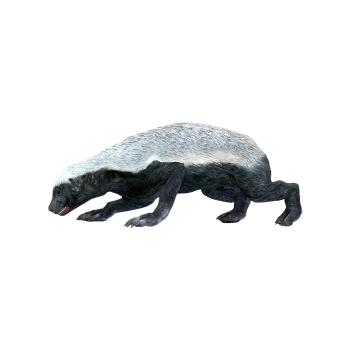
Honey Badger (3D animated model)
192 View
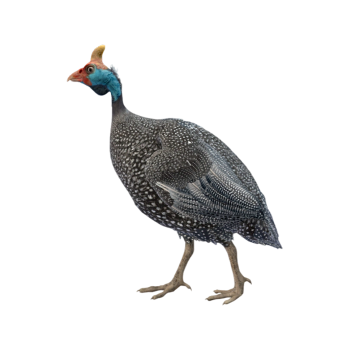
Guinea fowl (3D animated model)
163 View
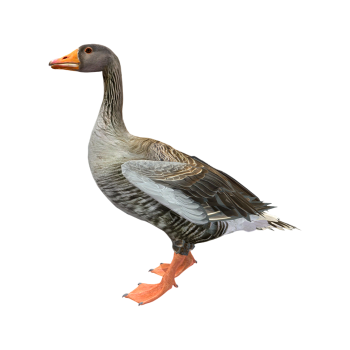
Wild Goose (3D animated model)
185 View
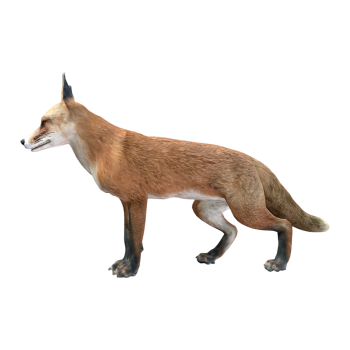
Red Fox (3D animated model)
153 View
Random Model

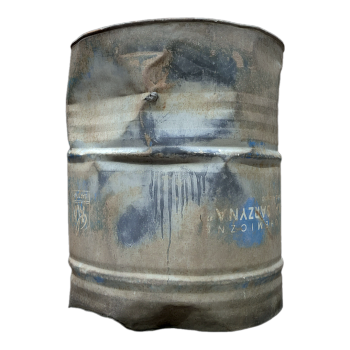
Old gasoline barrels
942 View

Yitelong 3D Animation Model
1066 View

Tesla Model X
1389 View

Ducati Hypermotord939 motorcycle
1137 View

80 s large calculator keyboard
762 View